
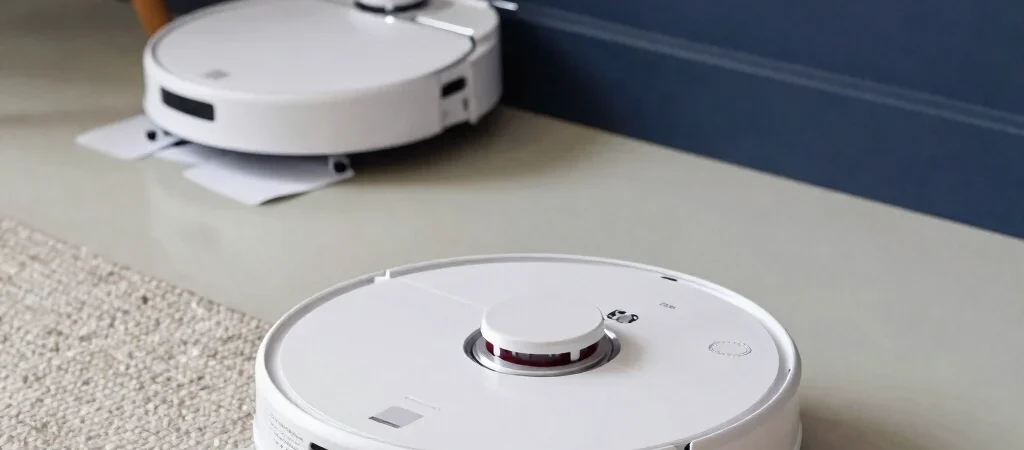
Picture the route a robot vacuum would take through your home: from hardwood into a rug, around dining-chair legs, and past the spot where its dock needs to sit. That route is a more useful starting point than a headline about suction. Floor transitions, clutter, and upkeep determine whether a convenient gadget fits the routine you want it to handle.
Map Your Floor Plan
Note where rugs meet hard floors, whether there are raised thresholds, and which rooms have tight furniture spacing. If a review discusses navigation, look for details about how the model handles room boundaries and obstacles rather than relying on a general claim that it maps a home. Measure a likely dock location as well; a unit that cannot be placed sensibly may be inconvenient even if its features look useful.
Match Features To Your Mess
Pet hair, crumbs under a kitchen table, and dust along room edges are different cleaning challenges. Consider which ones matter in your home, then check whether reviews describe the relevant floor types and debris. Extra features can help, but they also add decisions about settings, parts, or maintenance, so focus on the functions that address a real problem for you.
Count The Upkeep Too
A robot vacuum still needs attention: brushes can collect hair, filters need care, and dust containers or dock components require emptying or replacement according to the model’s instructions. Compare those recurring tasks alongside the purchase price and features, especially if you want the machine to run regularly with little intervention. Before deciding, walk the route it would clean and list the obstacles it must manage; Smart Reviews may earn a commission if you purchase through affiliate links.
Products not fetched from DB and/or API. Please check debug logs.